
Improve Access to Capital
Improve Access to Capital Capital is the lifeblood of Small Business and Small-Business growth.
While no American Small Business went unscathed by the COVID-19 and subsequent economic downturn, the pandemic affected certain industries and locales more than others, disproportionately harming minority-owned businesses. Access to credit can help small businesses avoid cash shortfalls, whether they are due to slow business, pandemic recovery, or daily operations, to stay afloat when times are tough.
Capital is the lifeblood of any Small Business, and, according to NSBA’s most recent data, there has been a steady decline in bank lending to smaller firms—outside of COVID-related loans PPP/EIDL. Thirty-two percent of SmallBusiness owners say the terms on existing loans have become less favorable to their business. Another 44 percent of Small-Business owners said lack of capital is hindering ability to grow their business or expand operations, and 20 percent said they were forced to reduce the number of employees as a result of tight credit.
- Because small firms are closely tied to the financial wellbeing of the owner, any negative mark on the owner’s FICO score can exclude them from applying for a bank loan.
- Businesses with poor credit ratings face higher credit card and interest rates from lenders, and insufficient or delayed financing remains common reason for business failure.
- Unlike banks, credit unions can only lend 12.25 percent of the worth of their assets to businesses, leaving billions in potential loans to businesses off the table.
- The Credit Union National Association estimates if the MBL cap were lifted, credit unions would lend an additional $5 billion “in capital to small and informal business ventures.” Another $5 billion to Small Businesses and entrepreneurs could translate to as many as 50,000 new jobs created.
Easier access to capital is more important than ever for small business.
Working solutions
Access to credit can help Small Businesses grow, invest in owners’ enterprises, increase hiring, and more, all which leads to growth in the U.S. economy.
- Congress needs to protect and support the U.S. Small Business Administration’s (SBA) critical loan programs and increase the authorization level for SBA loans in order to prevent unnecessary stalls in lending.
- Regulators should seek to ease restrictions on lenders for smaller loans since a one-size-fits-all formula doesn’t often work for many Small Businesses and start-ups.
- The statutory cap for credit union MBL should be increased from the current 12.25 percent to at least 25 percent of the total assets of the credit union. Banking regulators must embrace a new methodology for evaluating Small-Business financial soundness without placing such heavy reliance on a FICO score.
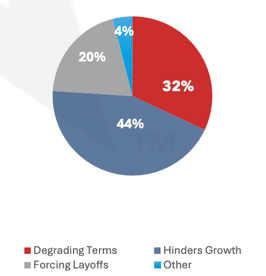 According to respondents of NSBA’s recent Economic Report, 32 percent of Small-Business owners say terms of loans have become less favorable; 44 percent said lack of capital hinders growth of their business; and another 20 percent said limited credit has forced layoffs of SmallBusiness employees and workers.